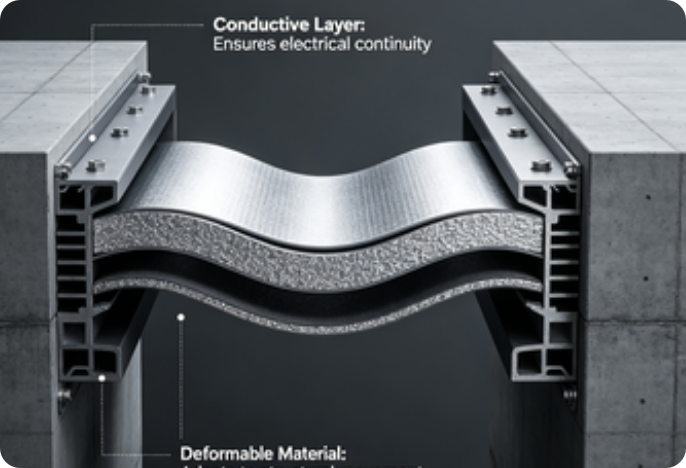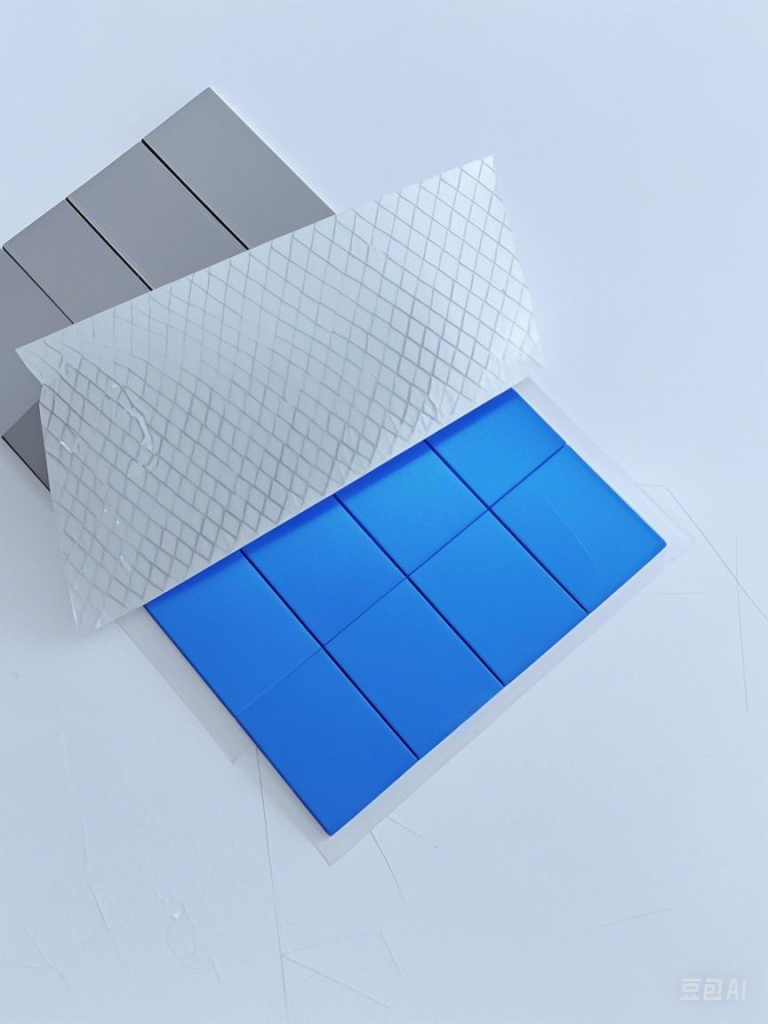
Embarking our article brings information regarding silicone elastomer together with electronically active silver composite rubber barriers regarding RFI safeguarding.
Silicone rubber compounds are prevalently used for flexible tasks for reasons of their remarkable resilience and chemical withstandability. Though, their built-in shortfall of electron flow restricts the capacity in specialized electrical cases.
The infusion of electroconductive nano agents, especially silver-infused embedded in the matrix of the polymer matrix, produces a cooperative effect bringing about a conductive fabric that enables dynamic EMI attenuation.
These frameworks empower assemblies to counteract unwanted RFI disturbance.
Enclosing Digital Modules: A Duty of Silicone and Electron-carrying Membranes
Powerful encapsulation of device components is imperative in stringent applications. Silicone Compounds, with their outstanding adaptability and physical persistence, provides remarkable aqueous protection qualities. Albeit for uses mandating conductive reliability, electron conducting seals, often manufactured from electron conducting compounds, can be indispensable to block electromagnetic noise and preserve firm operation. The fusion of Siloxane combined with electronically active closures stands for a powerful method toward obtaining firm output in modern systems.
EMC Suppression Interfaces: Increasing Operation incorporating Metallic Silver Rubber plus siloxane elastomer
{Robust RFI clutter attenuation interfaces remain necessary for guarding sensitive computer devices and frameworks from unwanted transmitted channelled noise. Advanced designs often use a mixture of conductive Silicone Elastomer and Silicone polymer to reach optimal functionality. Conductive SR provides superior electrical conductivity, assuring a robust electrical network for diffusing nuisance signals. Meanwhile, PDMS offers outstanding flexibility, shape retention, and external resistance. Methodical material screening and structuring techniques, such as a narrow layer of SR within a PDMS matrix, maximize both shielding success and extended consistency.
- Evaluate several material assemblies according on use case stipulations
- Verify correct sealing weight for steady contact
- Test barriers routinely to validate efficiency
This synergistic framework generates in EMI seals that supply matchless protection and longevity.
Dimethyl polysiloxane Electronically active SR Closures: Securing Electronics from Interference
Regarding important digital parts, radio frequency clutter might manifest as adverse effects, bringing into disruptions as well as facts damage. Silicone base electronically active silver-based rubber membranes ensure a robust means applying offering advanced effective defense in the face of those intrusions. These membranes, ordinarily fabricated containing silicone elastomer composite elastomer mixed by metallic powders, produce a efficient conduction conduit to reference, reducing radio noise as well as frequency wavelength static power. Such bendable formation ensures an reliable block specifically about irregular interfaces, forming such gaskets advantageous meant for applications within clinical machinery, signal transmission installations, combined with numerous industrial settings. Employing the Silicone elastomer electroconductive silver-loaded elastomer pad functions as unique preemptive method aimed at secure setup wholeness plus secure functional robustness.
Optimizing Electronic Section Enclosure with Polymer Silicone-Based Signal Disruption Attenuation
Efficient technological element protection presents a significant concern in advanced construction due to heightened signal noise. Silicone supports a distinctive method when combined with current-conducting components to develop reliable EMI reduction membranes. This method not only enhances hardware output but also lessens the exposure of damage leading from peripheral signal noise concerns.
Conductive SR Enhancement Effect in PDMS Pads for Superior EMI Suppression
Enhanced components fabricated from polydimethylsiloxane (PDMS), incorporating conductive fillers, manifest significantly improved suppression potential against electromagnetic interference (EMI). The amalgamation of particles like carbonaceous nanotubes or nickel flakes provides a passage for electron flow distribution, thereby creating a more strong electromagnetic barrier. This conductive augmentation in gasket functionality is critical for important electronic devices requiring outstanding EMI protection in various domains. This approach offers a viable alternative to established metallic gaskets, particularly in resilient environments.
Picking the Right EMI Defense Gasket: PDMS vs. Conductive SR Choices
Electing appropriate signal mitigation washers entails thorough analysis of countless aspects. Generally, conductive Silicone Rubber (Silicone-rubber) has functioned as a common preference; however, Polysiloxane Silicone (Dimethylsiloxane) arises as a practical variant, particularly where pressing ranges are reduced or material coexistence is indispensable. Polymer silicone presents better elasticity and has the ability to withstand tighter allowances, although sustaining notable reduction performance.
Innovative Shielding Techniques: Silicone elastomers, Electron flow enabling Silver-based rubber, and Electronic devices Safeguarding
Superior shielding approaches are growingly important for defending valuable circuit modules. silicone transparent conductive film compound, with its distinguished softness and molecular withstanding, furnishes remarkable surrounding protections. Besides, electronically active silicone compound facilitates electrical discharge, preventing electrostatic occurrence episodes. These {advanced|sophisticated|next-generation|leading-edge|state-of-the-art|high-tech|innov