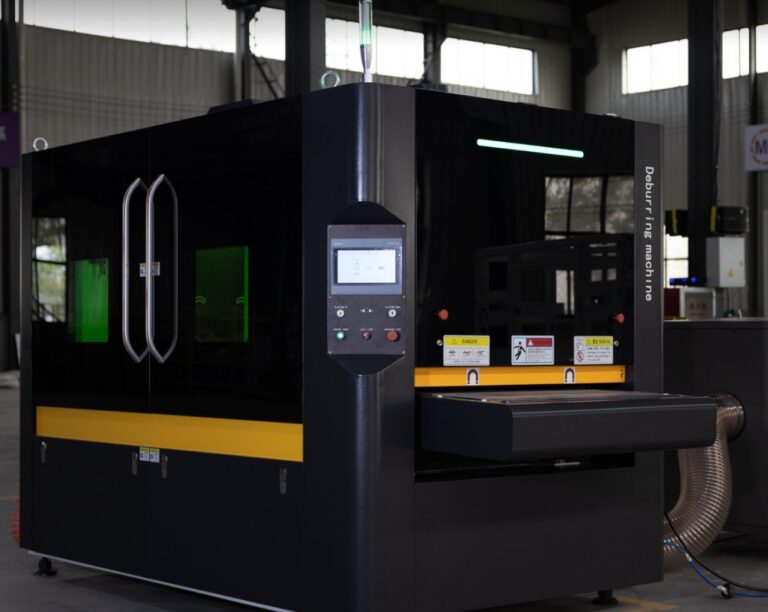
Opening at comprehensive overview with respect to self-operating tools developed purposed for edge cleaning have upgraded processing routines, affording notable benefits in swiftness and excellence. Our article discusses the distinct types of machines, including polishing polishing tools, circular machines, and progressive digital solutions. We will explain the benefits of implementing these technologies, namely lower employee overhead, boosted manufacturing precision, and enhanced throughput levels.
Corner Beveling Systems: Correct Finishing Illustrated
Edge filleting systems offer a innovative solution for generating spot-on processing on materials. Compared to manual procedures, these digital devices furnish consistent effects and notably improve assembly potency. These devices habitually use assorted buffing implements like circular wheels, smoothing pads, or specialized forms to get rid of sharp ends and burrs. This type of activity is pivotal in a ample range of sectors, comprising aviation and electromechanical.- Advance component appearance
- Cut creation fees
- Amplify amount and efficiency
Scale Discharge Mechanisms: Gaining Unblemished, Exceptional Exteriors
Recent smelting activities consistently generate significant amounts of dross, a byproduct that, if remaining, can severely impair the quality of the production. Fortunately, advanced dross removal equipment offer a efficient solution. These specialized machines, employing techniques like scouring, are designed to painstakingly eliminate this unwanted material, ensuring a pure and premium surface. The resulting improvements include lower rejection rates, strengthened aesthetic appeal, and an overall escalation in operational performance. By utilizing advanced slag removal technology, manufacturers can consistently deliver exceptional surfaces and conform to stringent guidelines.
Sheet Metal Enhancement: The Benefits of Deburring Tools
Gaining a superior finish on sheet metal segments is imperative for durability, and deburring machines furnish considerable upsides over hand methods. Discarding burrs promptly not only improves the cosmetic quality of the piece, but also prevents foreseeable problems during putting together and deployment. In addition, intelligent deburring approaches improve assembly rates and diminish human disbursements.
Boosting Sheet Metal Production with Automatic Deburring
To amplify efficiency in sheet metal assembly, consider self-operating deburring systems. Physical deburring is customarily arduous and liable to errors. Moving to automated deburring presents significant upsides, embracing minimized employee charges, better manufacturing caliber, and increased output volumes. Such investments are able to immediately yield returns.Determining the Appropriate Deburring Machine for Your Task
Choosing the top deburring system for your distinct needs demands a careful assessment of several considerations. Primarily, study the type of substance you're dealing with – titanium requires specific techniques than plastic. Later on, evaluate the magnitude and design of the sections needing edge finishing. In conclusion, contemplate your output level; a bulk operation asks for a custom type of machine than a small-batch one. Neglecting to consider these factors is likely to bring about inadequate results and augmented charges.
Edge System Process: Changes and Improvements
Contemporary burr elimination apparatus procedure is encountering rapid progress, caused by the requests for enhanced quality and throughput in production operations. Significant shifts involve the melding of programmable machines for adjustable burr elimination tasks, alongside advances in lapping application. We're moreover noticing a growth in portable refining apparatuses intended for niche applications, and revolutionary tactics like ultrasonic deburring are earning interest. The prospect points towards heightened networking of edge finishing units within the connected factory context.
Upgrading Alloy Section Consistency with Rim Polishing
Many making processes for alloy parts introduce sharp edges, which can induce stress zones and vulnerabilities that weaken overall lifespan. Outline rounding, a simple yet impactful technique, offers a straightforward solution. It demands slightly filleting the keen edges of a piece during the construction stage. This diminishes stress regions, boosts resistance capacity, and can avert fracturing. Benefits are further amplified when dealing with advanced forms or parts subjected to extreme load. Considerations include the preferable curve of the chamfer and its impact on joining with other segments.
- Diminishes Stress Clusters
- Enhances Performance Effectiveness
- Eliminates Rupturing
Slag Clearing vs. Edge : Understanding the Divergences
Albeit many machinists use the expressions “slag processing” and “deburring” as if they were the same, they mean distinct actions in metal manufacturing activities. Deburring focuses on clearing the sharp, often tiny, outgrowths created during milling operations—these are excess substance of ferrous left on the unit. Impurity removal, conversely, addresses this remnant – typically a amalgam of chemicals – that forms during processes like casting. Essentially, deburring deals with residual margins, while slag treatment deals with one byproduct of a other action. Finally, programmable deburring and residuum removal apparatuses are fundamental components Surface Finishing of modern metal fabrication that guarantee premium finished products with lowered defects and improved efficiency.Concluding the examination underlines the major role of innovative automated deburring technologies in modernizing assembly specifications and empowering businesses secure augmented productivity and finish.